Anxiety and burnout
For the people who look functional from the outside and are quietly running on empty. We work on the nervous system patterns underneath, not just the coping strategies layered on top.

Clinical therapy for trauma, grief, substance use, and integration. A place where the scattered parts of a life are brought back into one piece, and where repair is treated as sacred work. In person in Nanaimo, BC and by secure video across British Columbia.
Book NowCounselling in Nanaimo and across BC
Shoreline Therapy Group is a clinical counselling practice based at #203-1801 Bowen Rd. in Nanaimo, British Columbia, led by Stephanie McCune, PhD, RCC. We support adults, couples, and families through trauma, anxiety, grief, substance use, and the long, uneven work of becoming whole again. Sessions are offered in person on central Vancouver Island and by secure video to clients anywhere in the province.
The name is not decorative. A shoreline is where two conditions meet and neither one wins: land and water, holding and letting go, what happened and who you are becoming. It is a place of transformation, where things are broken down, softened, and returned in a different shape. That is close to how change actually works in therapy. It is rarely a single breakthrough. It is repeated contact, held safely, over time.
Much of what we do here is repair: reconnecting a story to the person living it, a body to its own signals, one family member to another. Unity is the aim rather than tidiness. The parts of you that feel contradictory are not errors to be corrected, they are pieces of a whole that has not yet been allowed to sit in the same room.
What clients most often describe about working with Shoreline Therapy Group is the pace. Nothing is rushed, nothing is treated as too strange to say out loud, and nothing is reduced to a diagnostic label before it has been properly understood. Some moments in this work are ordinary and practical. Some are unmistakably sacred. Both are welcome.
Meet Stephanie
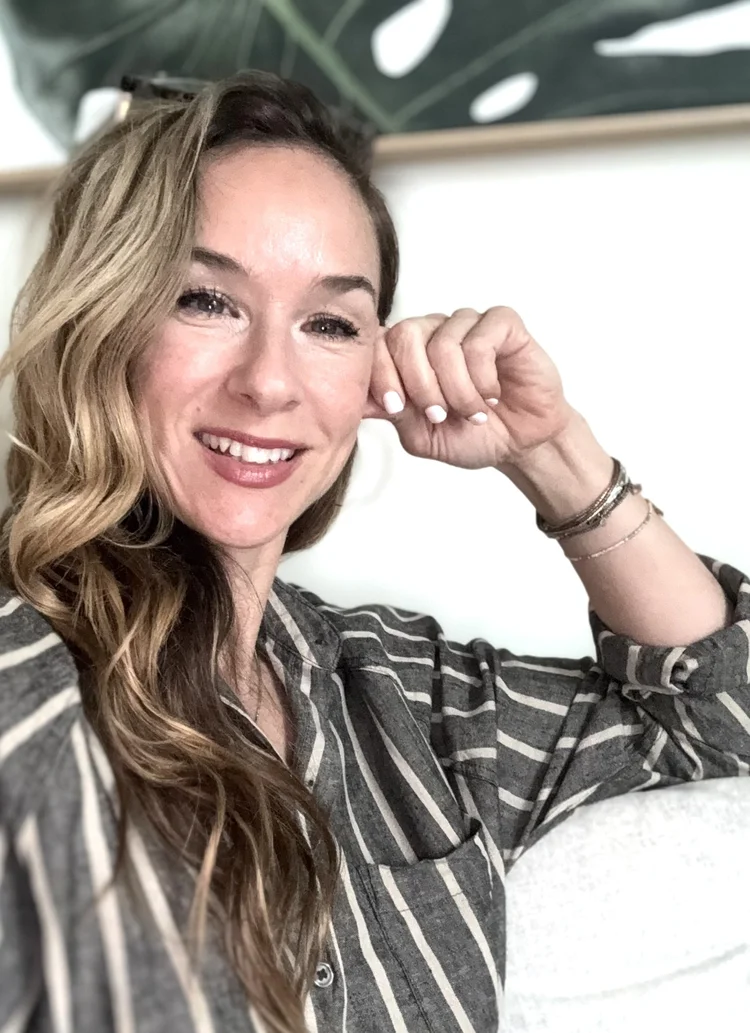
Stephanie McCune PhD, RCC
Stephanie McCune has spent her career alongside people navigating addiction, trauma, loss, and the long work of coming back to themselves. Her practice blends evidence-based clinical approaches with a reverence for transformation, the understanding that repair is often slow, cyclical, and sacred.
That background spans community substance use services, private clinical practice, and research, which is why the work here holds two things at once: real clinical structure and genuine reverence for the parts of a life that resist measurement. Sessions are offered in person and by secure video, with room for the pace your nervous system actually needs.
More about StephanieAreas of Practice
Most people arrive with one of these three concerns and discover the others are tangled into it. They are not separate problems so much as different doors into the same work of repair. You do not need to sort that out before booking.
Steady, relational work for anxiety, trauma, grief, and the repair that happens between people.
Learn moreNon-judgmental support for substance use and addiction, held with clinical rigour and real compassion.
Learn morePreparation and integration work that treats non-ordinary experience as material worth tending carefully.
Learn moreWho we work with
There is no threshold of suffering you have to cross to deserve support. Some clients come in crisis, others come because something has been quietly off for years. What they share is the wish to feel like one person again rather than several.
For the people who look functional from the outside and are quietly running on empty. We work on the nervous system patterns underneath, not just the coping strategies layered on top.
Single incident and long term, including childhood adversity and occupational trauma carried by first responders, health workers, and frontline staff on Vancouver Island.
Bereavement, separation, illness, retirement, and the losses that do not have a ceremony attached to them. Grief is given time here rather than tidied away.
Whether the goal is abstinence, moderation, or simply understanding the role a substance plays, the work starts where you actually are.
Couples rebuilding trust, parents and adult children finding a new footing, and families adjusting after a diagnosis, a death, or a return home.
Support for people processing non ordinary or spiritual experience and for anyone asking larger questions about who they are becoming.

The Approach
Evidence-based practice, held with a psychedelic-informed lens, attentive to what is clinical, and to what is transformative, unified, and worth treating as sacred.
How the work is done
Sessions draw on established modalities, including trauma-informed and somatic work, attachment theory, cognitive and narrative approaches, motivational interviewing, and harm reduction principles. These are not applied as a script. They are chosen based on what a particular person, in a particular week, can actually use.
Alongside that clinical grounding sits a psychedelic-informed lens: an acceptance that some of the most significant material a person brings will be non ordinary, spiritual, or difficult to articulate, and that it deserves careful attention rather than quiet dismissal.
Practically, most clients begin weekly or biweekly. Progress is reviewed openly rather than assumed, and ending is planned rather than drifted into. If a different clinician or service would serve you better, we will say so and help you find it.
Confidentiality, consent, and clear boundaries are non negotiable. Shoreline Therapy Group practises under the standards of the BC Association of Clinical Counsellors.
In their words
I arrived unsure I could talk about any of it. Stephanie made the room feel safe enough that I finally did, and nothing about it was rushed. A year on, I recognise myself again.
We had tried couples counselling before and left feeling refereed. Here we were actually listened to. The work was honest, sometimes hard, and it genuinely changed how we speak to each other.
Substance use counselling that never once made me feel judged. Stephanie held the clinical side seriously while treating me like a whole person, which is what finally made the difference.
My integration sessions gave shape to an experience I could not put into words. Careful, grounded, and deeply respectful of what came up.
Video sessions from a small town up island worked far better than I expected. Same steadiness, same depth, no four hour drive.
Nanaimo and Vancouver Island
The office sits at #203-1801 Bowen Rd. in Nanaimo, central to the mid island and straightforward to reach from Lantzville, Parksville, Qualicum Beach, Ladysmith, Cedar, and Duncan. Ferry travellers from the Lower Mainland arrive within a short drive of both terminals.
Living on Vancouver Island shapes the work. Seasonal light, isolation in smaller communities, the pressures on tradespeople and health staff, and the reality of long waitlists in public mental health services all show up in the room, and they are taken seriously as context rather than treated as background noise.
For clients elsewhere in British Columbia, from Victoria to Campbell River, Kelowna to Prince George, secure video sessions carry the same structure and the same depth. Many people find the familiarity of their own space makes the harder conversations more possible, not less.
Availability changes through the year, and occasional travel or retreat weeks are posted in advance on the contact page. If the schedule you need is not showing, reach out directly rather than assuming there is no room.
Contact the practiceCommon questions
Beginning
Repair starts with a single, ordinary appointment. Booking is direct and straightforward, and you'll find session rates, insurance details, and what to expect from a first appointment on the booking page.
Book an Appointment